
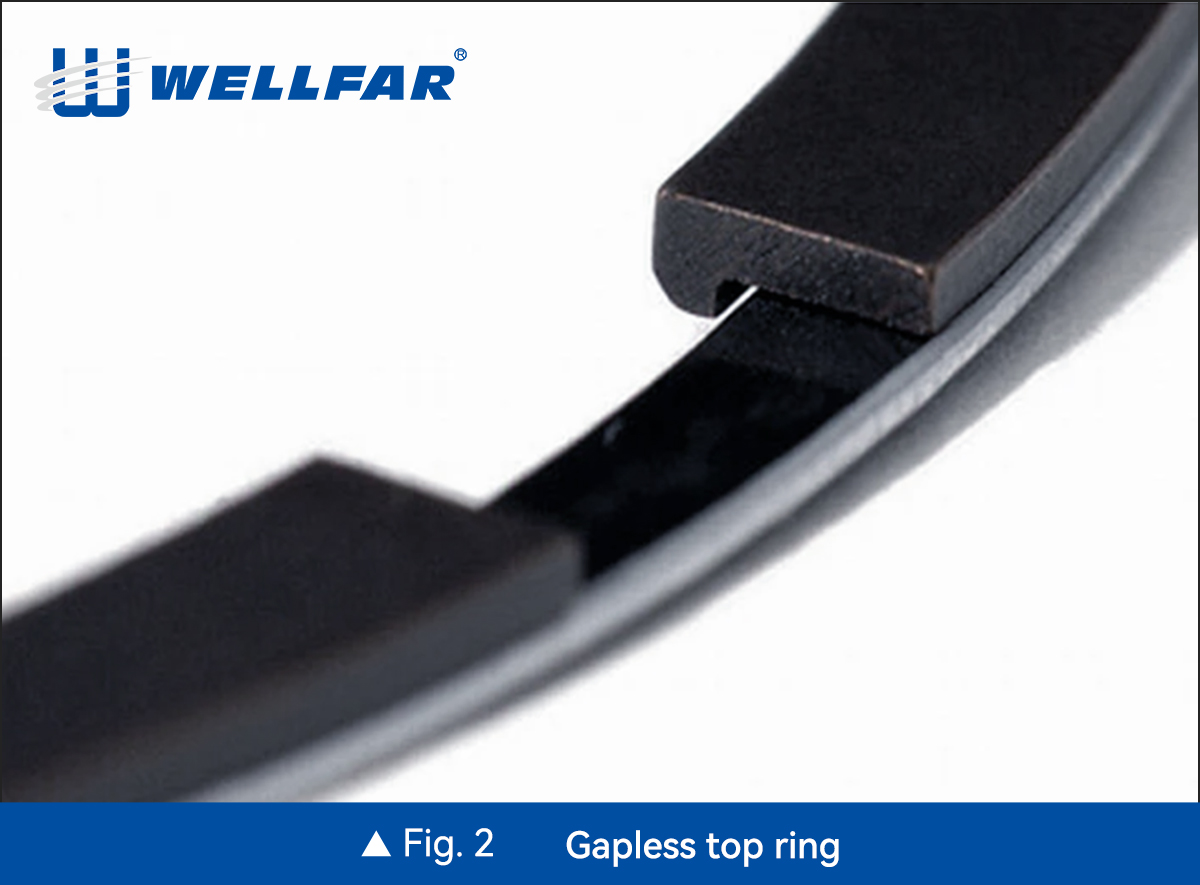
Currently the most common piston ring material types for automotive engines are cast iron, ductile iron, and steel. Below is the benefit of different piston ring materials: •Cast Iron: Fragile piston ring material properties, best used for stock engine builds due to low tensile strength. Low cost, great option for a budget rebuild. •Ductile Iron: Stronger piston ring material properties with double the tensile strength of gray iron rings. Better option for performance engine builds. •Steel: Better still in tensile strength and fatigue strength over ductile iron rings. Better option for boosted and nitrous applications. Used in narrow ring width applications for better sealing and less blow-by. The typical piston ring configuration used today includes top and secondary compression rings and oil control ring. Starting from the top is the top compression ring. This is the primary ring that seals the piston to the combustion chamber wall. Below is the second or intermediate compression ring. This ring backs up the top ring by sealing the combustion chamber while also aiding in heat transfer and scraping oil from the cylinder wall. Finally, is the oil control ring, which has the piston ring function of controlling the amount of oil delivered to the combustion chamber wall for lubrication and cooling. Different kinds of top and intermediate rings: Conventional Ring: Top and 2nd rings with gaps that can be set for various uses. Gapless Top Ring: Provides increased horsepower and crankcase vacuum, used mostly on engine applications to help fill the cylinder due to better ring seal. Gapless 2nd Ring: Preferred ring for turbo or supercharged applications as well as boxer engines. With a turbo or blower helping to fill the cylinder the gapless 2nd ring is utilized to keep heat and contaminants out of the oil pan. 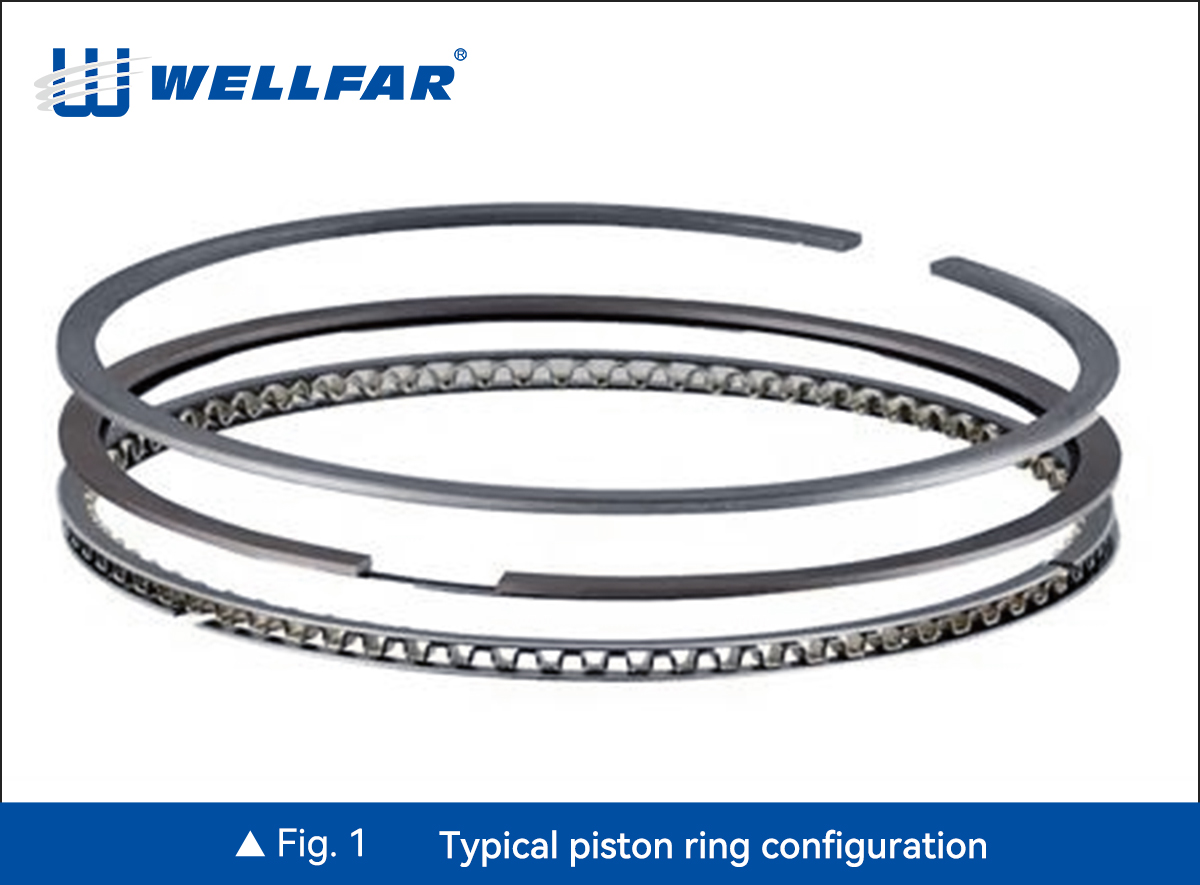
Ring Material And Types
2025-02-27 13:25