
A heavy-duty diesel engine experienced main crankshaft journal seizure after approximately one hour of operation. This type of early failure usually indicates a severe lubrication deficiency or assembly-related issue rather than normal wear. The investigation focused on lubrication system condition, bearing surface inspection, and installation quality. After short hour of operation, the engine stopped abruptly with abnormal noise and increased resistance during crankshaft rotation. Disassembly revealed severe scoring and localized welding marks on the main crankshaft journal and bearing shells. The bearing surface showed signs of overheating, material transfer, and partial wiping of the overlay layer. Metallic debris was also found in the oil sump and oil filter. Root Cause The primary root cause was insufficient lubrication to the main journal during initial engine operation. Oil film failure led to direct metal-to-metal contact between the crankshaft journal and bearing shell. Several contributing factors may lead to this condition: 1. Improper bearing clearance – Excessively tight clearance due to machining deviation or incorrect bearing selection can prevent adequate oil film formation. 2. Oil supply restriction – Partial blockage in the oil gallery, debris contamination, or improper installation of oil passage plugs can limit oil flow to the main bearing. 3. Assembly contamination – Residual machining particles or foreign materials introduced during assembly may block lubrication holes or damage the bearing surface. 4. Insufficient pre-lubrication during engine commissioning – If the lubrication system was not properly primed before start-up, the bearing could operate momentarily under dry friction, rapidly causing overheating and seizure. Corrective and Preventive Actions To prevent recurrence, several measures should be implemented: Verify main bearing clearance during assembly using plastigage or precision measurement tools. ● Ensure oil passages and galleries are thoroughly cleaned and inspected before final assembly. ● Conduct lubrication system priming before initial engine start to establish an oil film. ● Improve assembly cleanliness control and contamination prevention procedures. ● Monitor initial engine oil pressure and temperature closely during the first hours of operation. By strengthening lubrication system verification and assembly quality control, the risk of early crankshaft journal seizure can be significantly reduced.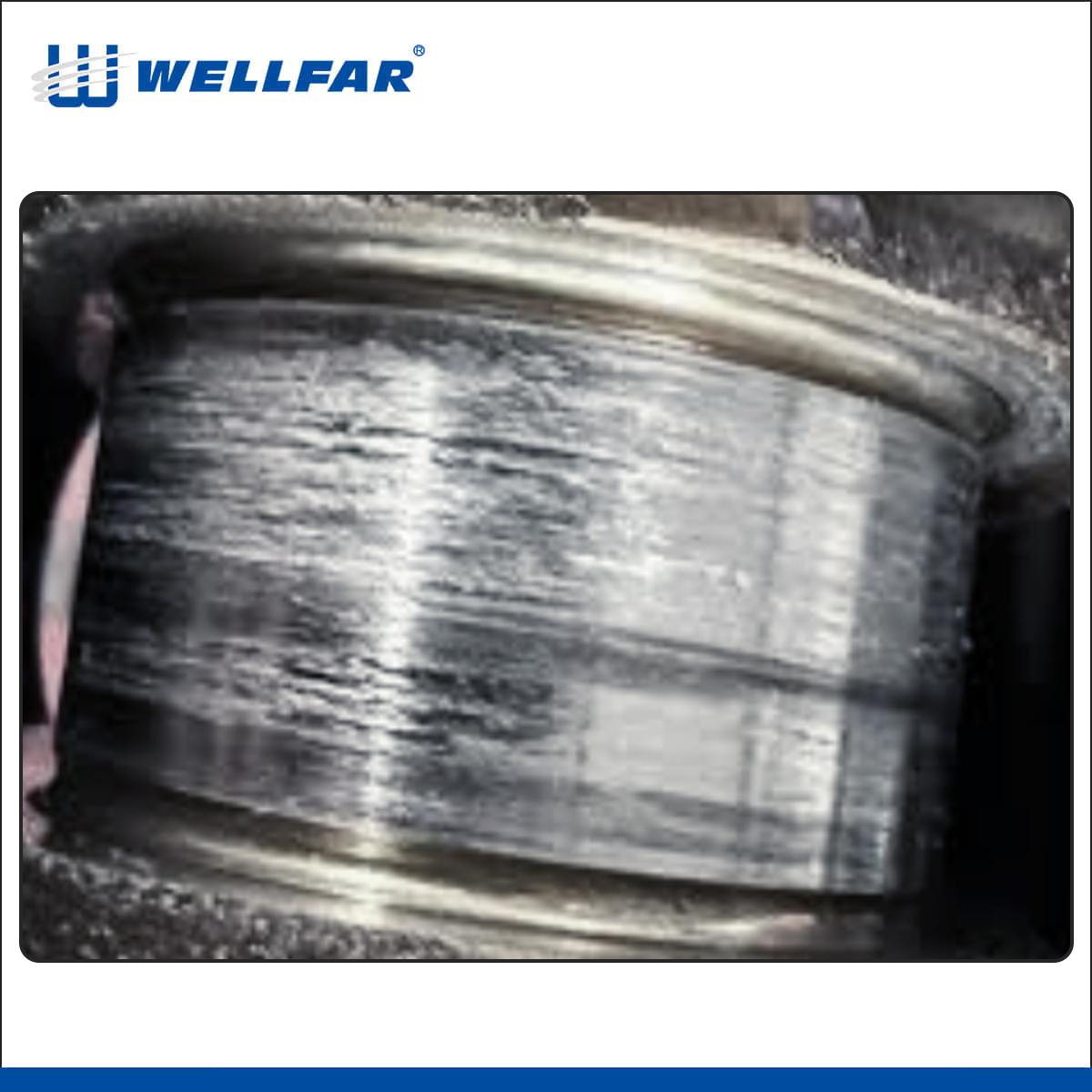
Root Cause Of Diesel Engine Crankshaft Main Bearing Seizure Run Only 1 Hours
2026-03-13 03:22