
In high-output heavy-duty (HD) diesel engines, the piston pin bore is a primary stress point. While light-duty engines may allow the pin to ride directly on the aluminum piston boss, HD applications utilize a sleeve (bushing) to survive extreme combustion pressures that can exceed 200 bar. The inclusion of a sleeve serves four critical engineering functions: 1. Load Distribution Aluminum is lightweight but relatively soft. Under peak firing pressures, the mechanical load can exceed the aluminum's yield strength. A bronze or steel-backed bushing provides a high-strength interface that prevents the bore from "egging out" or becoming oval under constant hammering. 2. Thermal Stability Aluminum expands significantly more than a steel pin when heated. The sleeve acts as a thermal buffer, allowing engineers to maintain tighter pin-to-bore clearances. This stability prevents the oil film from breaking down and protects against pin seizure during high-load thermal cycles. 3. Tribology and Lubrication Piston pins oscillate rather than rotate, making it difficult to maintain a hydrodynamic oil wedge. HD sleeves are typically made of copper-tin or lead-bronze alloys, which offer: ·Anti-Friction Properties: Dissimilar metals (steel on bronze) are less likely to "weld" or scuff than steel on aluminum. ·Oil Retention: Sleeves often feature specialized grooves or dimples that act as reservoirs to ensure lubrication during the pivot. 4. Preventing Fretting In modern monosteel pistons, the sleeve is essential to prevent fretting—wear caused by micro-vibrations between two hard steel surfaces. The bushing absorbs these vibrations, preventing fatigue cracks that could lead to catastrophic component failure. Ultimately, the sleeve is a sacrificial but high-strength wear surface that ensures the piston assembly can withstand a service life often exceeding one million miles.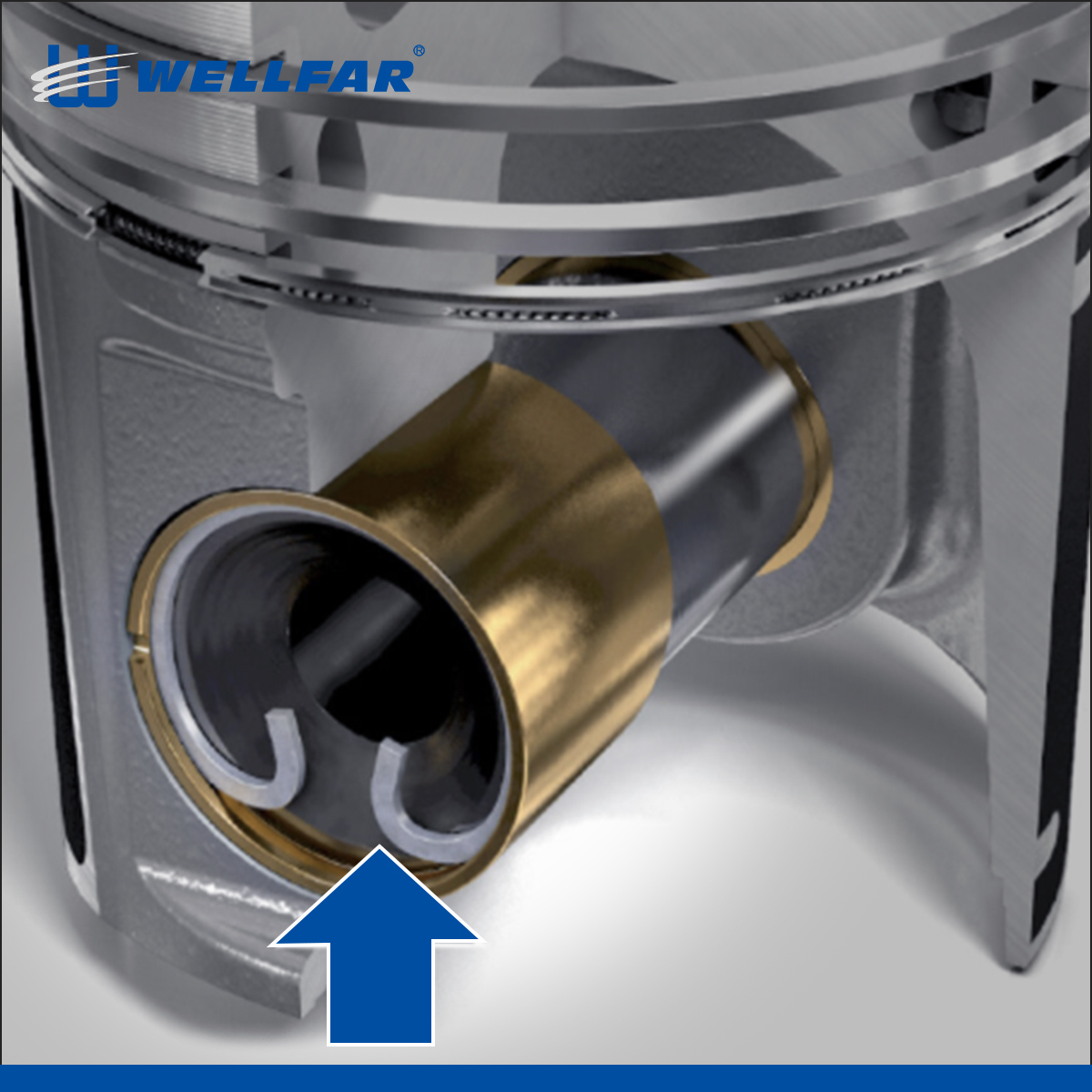
Why HD Diesel Engine Piston Pin Bore Has Sleeve Installed
2026-05-14 06:18